


Implants
LOUI DENTAL CLINIC
We take each patient's condition — diabetes, high blood pressure, and other systemic diseases — into account to prevent complications and perform safe implant placement.

If your blood pressure is well controlled through medication or other means, implant surgery is possible. If your blood pressure is high or not well controlled, surgery is possible only after diagnosis and treatment by an internal medicine physician.

Implant surgery is possible if your blood sugar can be controlled with medication and you are not experiencing severe complications.

Patients with osteoporosis often have low bone density in the jawbone that needs to support the implant, so we perform implant surgery after augmenting the bone with synthetic bone material.

If you have had surgery for a myocardial infarction, implant surgery is possible only after about 6 months have passed. If you proceed with implant surgery after myocardial infarction surgery, you must take antibiotics at least 1 hour before the procedure, and if you are taking anticoagulant medication, you may need to stop it 5 days before the procedure, depending on your case.

STEP 1
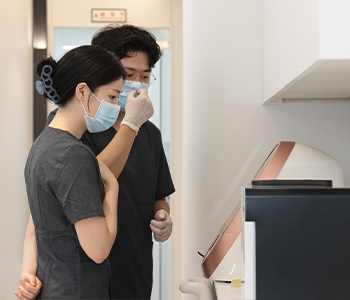
We carefully assess the current state of the patient's existing conditions and thoroughly examine the oral environment for a precise diagnosis.
STEP 2
We communicate closely with the physician managing the patient's condition to establish the safest and most suitable implant treatment plan for that patient.

STEP 3
For safe surgery, we adjust the patient's current medications in advance and follow any necessary dietary measures to ensure the surgery goes smoothly.

STEP 4
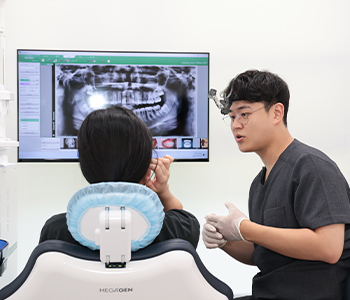
Giving top priority to the patient's overall health status assessed earlier, we place the implant using a safe method that places minimal strain on the body.
STEP 5
We conduct regular checkups to ensure a successful recovery, and consult with the patient's other physicians to decide when to resume treatment for the pre-existing condition that was temporarily paused.
